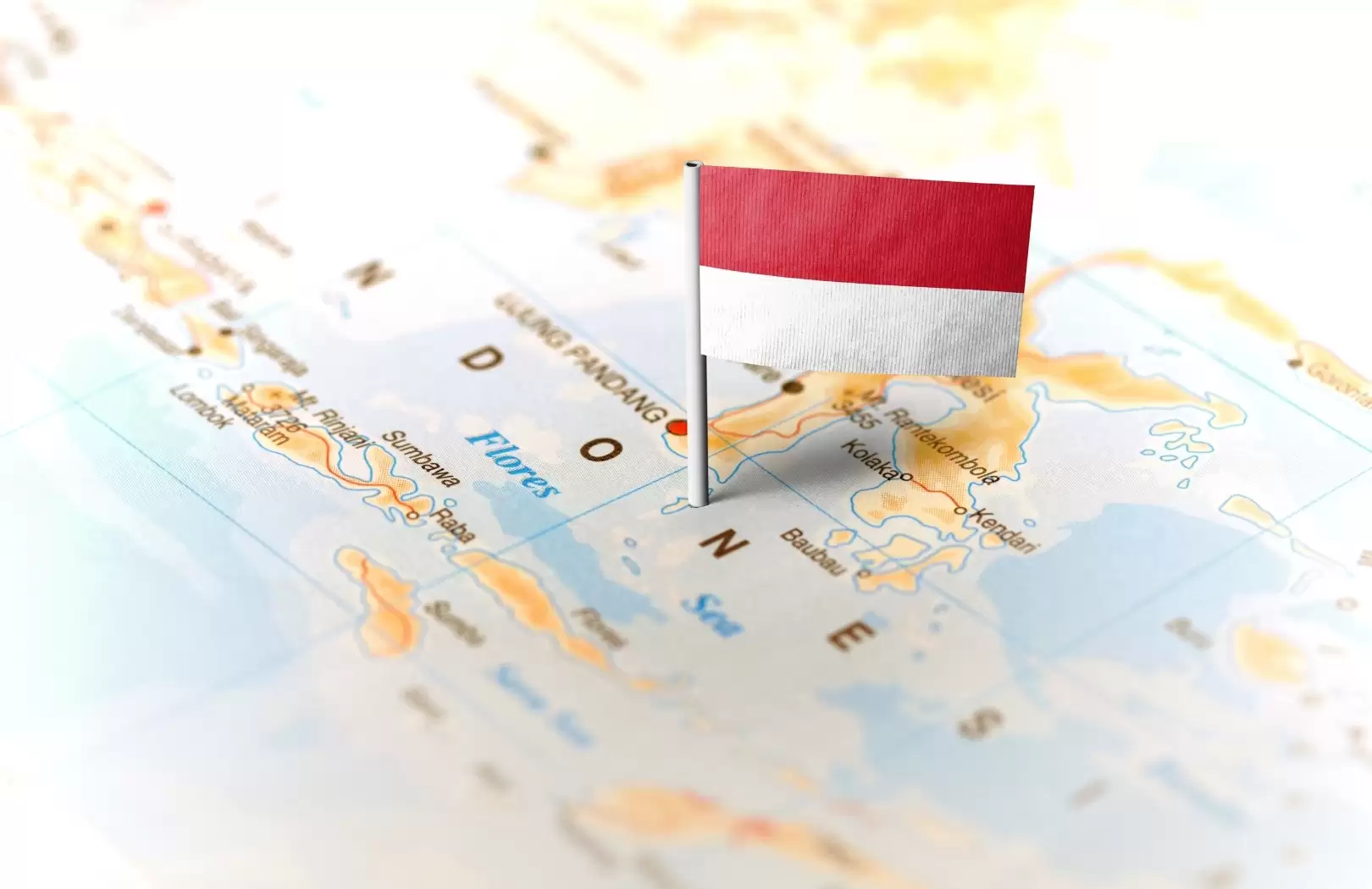
What Foreign Property Investors Should Know About Zoning and Land Use in Indonesia

Indonesia remains a prime destination for property investment, particularly in Bali, Jakarta, and emerging tourism regions. However, many foreign investors encounter serious issues not because of market demand or pricing, but due to zoning and land use regulations.
Understanding zoning and land use rules is essential before purchasing land or starting development. Ownership alone does not guarantee the right to build or operate. This article outlines how zoning works, key risks for foreign investors, and why proper due diligence is critical.
Why Zoning and Land Use Matter for Foreign Investors
Zoning regulations define what can be built, how land may be used, and under what conditions. One of the most costly mistakes foreign investors make is purchasing land without confirming zoning suitability.
Zoning directly affects permitted development type, building height and density, operational and business licensing, and overall investment feasibility. A property may be legally owned yet remain undevelopable or inoperable if zoning is ignored.
Understanding Zoning Regulation in Indonesia
Zoning in Indonesia is regulated through regional spatial planning frameworks, primarily RTRW (Rencana Tata Ruang Wilayah) and more detailed zoning plans known as RDTR. These regulations are issued by provincial and local governments and determine land use across each region.
Zoning classifications and enforcement vary significantly by location, making local verification essential.
Key Zoning Categories in Indonesia
Residential Zones are intended for housing and villas, often with restrictions on height, density, and commercial use.
Commercial Zones allow offices, retail, restaurants, and selected hospitality functions, subject to additional permits.
Tourism Zones are designated for hotels, resorts, and short-term accommodation and are critical for hospitality investors.
Green and Conservation Zones are highly restricted areas such as agricultural land, protected forests, and river buffer zones, where development is limited or prohibited.
Land Use Designation And Development Rights
Land use designation determines how land may be used, regardless of ownership status. Legally owned land may still be undevelopable if land use does not permit construction or commercial operation.
Land Titles And Zoning Must Be Reviewed Together
While land titles define ownership rights, zoning defines development and operational rights. Both must be assessed together to ensure feasibility.
Zoning Compliance For Hospitality And Villas
Hospitality projects face stricter regulatory scrutiny, particularly for short-term accommodation. Zoning compliance, environmental approvals, and access regulations are critical.
Zoning And Bussiness Licensing
Zoning directly impacts business licensing. If zoning does not permit the intended use, OSS licenses and operational permits may be rejected.
Environmental And Spatial Restrictions
Beyond zoning, development may be restricted by river setbacks, coastal buffer zones, cultural heritage protections, and environmental impact requirements.
Zoning ONING, Land Use, And Investment Risk
For foreign investors, zoning and land use directly determine whether a project is buildable, operable, and valuable. Common risks include purchasing land before zoning verification, assuming existing buildings are compliant, relying on informal assurances, and ignoring zoning changes.
Due Diligence Checklist For Investors
Foreign investors should verify zoning classification, permitted use, height limits, environmental restrictions, permit history, and compatibility with business plans.
How DKConsulting Supports Zoning Due Diligence
DKConsulting provides Due Diligence Advisory services for foreign property investors, including:
- Zoning and land use verification
- RDTR and spatial plan analysis
- Title and permit review
- Development feasibility assessment
- Risk identification and mitigation
Our advisory approach helps investors make informed decisions before committing capital.
Understanding zoning regulation in Indonesia and land use requirements is essential for foreign property investors. Ownership alone does not grant development rights, and zoning violations can jeopardize entire projects.
Proper zoning due diligence protects investment value, ensures licensing success, and supports long-term operational stability.
Planning A Property Investment In Indonesia
If you are considering purchasing or developing property in Indonesia, DKCConsulting can help you assess zoning, land use, and regulatory risks before you invest.
Contact our team to ensure your property investment is legally sound, compliant, and aligned with your development goals.